A CDSCO approved capnograph is now the baseline for any hospital purchase in India, not an optional extra. Since 2020, every medical device sold and used in the country has come under regulation, and capnographs are no exception.
Yet many buyers still do not ask the question. This guide explains what CDSCO approval means, why it protects both the patient and the hospital, and how to check it before you commit to a device.
Key takeaways
- CDSCO is India’s national medical device regulator, under the Ministry of Health.
- Since 2020, all medical devices, including capnographs, must be regulated by CDSCO.
- CDSCO approval confirms a device meets Indian safety, quality and performance standards.
- Buying a non-approved device is a legal and clinical risk, and can fail hospital tenders.
- You can verify approval by asking for the licence number and checking the CDSCO portal.
What is CDSCO approval
CDSCO stands for the Central Drugs Standard Control Organisation. It is India’s national regulatory authority for medical devices, operating under the Ministry of Health and Family Welfare, and headed by the Drug Controller General of India.
Its job is to ensure that every medical device sold and used in India is safe, effective and of consistent quality. It does this through the Medical Devices Rules, 2017, which came into force on 1 January 2018 and set out how devices are classified, licensed, manufactured, sold and monitored after sale. Think of CDSCO as the Indian equivalent of the FDA in the United States.
Is CDSCO approval mandatory for a capnograph
Yes. This is the part many buyers miss.
Until a few years ago, only a short list of notified devices was regulated. That changed. In 2020 the government brought all medical devices under regulation, and by 2023 registration and licensing were fully enforced for every device. A capnograph, as a patient monitoring and measuring device, falls squarely within this framework, generally in the low-to-moderate risk category.
So a capnograph sold in India today is required to be CDSCO regulated. A device without it is not compliant, whatever its specifications.
Why CDSCO approval matters
Approval is not paperwork for its own sake. It protects the people who buy and use the device.
- It is the law. A non-approved device is not legal to sell or use in India. Buying one exposes the hospital to regulatory risk.
- It assures safety and quality. Approval requires a quality management system to ISO 13485, technical documentation and, for higher-risk devices, audits and inspections. You are buying to a known standard.
- It brings accountability. Approved devices carry unique identification and sit within a post-market surveillance system, so problems can be traced and acted on.
- It clears procurement. Many hospital and government tenders require CDSCO approval. A non-approved device simply cannot be bought through those channels.
For how approval sits alongside the other buying criteria, see best capnography device in India.
What CDSCO approval actually involves
It helps to know what a manufacturer goes through, because it shows why approval means something.
The device is first classified by risk. The manufacturer must run a quality management system to ISO 13485, submit a technical dossier, and apply for a licence through the CDSCO online Sugam portal. Manufacturing and import licences are issued against defined forms, facilities can be audited, and the manufacturer must maintain post-market surveillance and report adverse events. It is a real process, not a stamp.
How to check if a capnograph is CDSCO approved
Do not take the claim on trust. Verify it.
- Ask for the licence. Request the CDSCO manufacturing or import licence number and the registration details from the vendor.
- Check the label. An approved device carries proper labelling and a unique device identifier.
- Verify on the portal. Cross-check the details against the CDSCO records. A genuine manufacturer will have nothing to hide and will provide this readily.
If a vendor cannot or will not give you a licence number, treat that as your answer.
The risk of buying a non-approved device
Skipping this check is a false economy.
A non-approved device may be cheaper, but it carries hidden costs. It is not legal to use. It has not been held to a known safety and quality standard. There is no accountability trail if it fails. And it can be rejected in a tender or an audit, leaving the hospital to buy again. On a device whose whole purpose is patient safety, that is a risk not worth taking. For the wider cost picture, see capnograph price in India.
RespiCOz is CDSCO approved
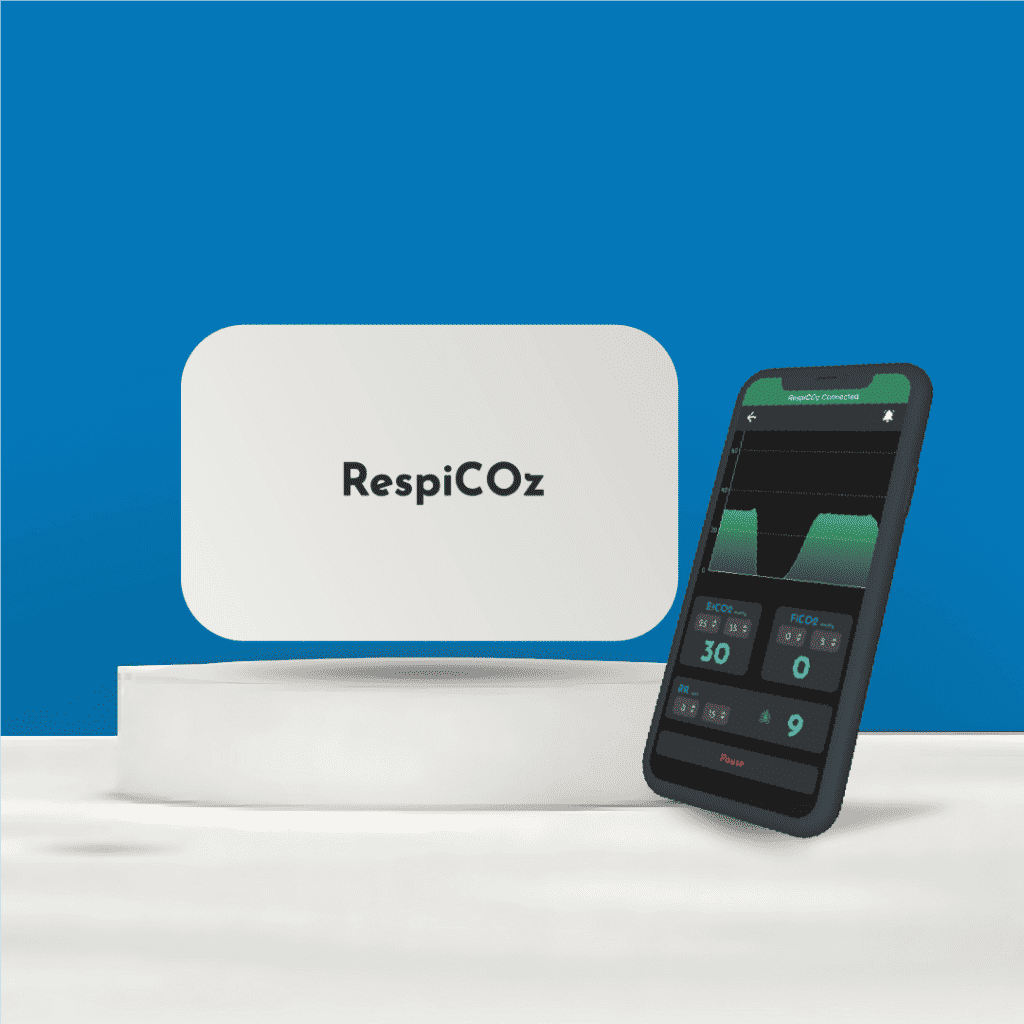
RespiCOz is a CDSCO-approved capnograph, made in India.
For a buyer, that means it is legal to procure and use, it has been held to Indian safety and quality standards, and it comes from an accountable manufacturer with a local presence rather than a distant supply chain. It clears the regulatory bar that many tenders require, and it is backed by a dedicated technical team for service and support.
Approval is the floor, not the ceiling. On top of it, RespiCOz adds a mainstream sensor for airway-secured patients, FiCO2 monitoring, a two-year warranty and a value price. But the approval is what makes it a safe purchase in the first place.
Ready to buy? Request a quote for your hospital here.
Frequently asked questions
What does CDSCO approved mean for a capnograph? It means the device is registered and licensed under India’s Medical Devices Rules, 2017, and has been held to national safety, quality and performance standards. It is legal to sell and use in India.
Is CDSCO approval mandatory for a capnograph in India? Yes. Since all medical devices were brought under regulation in 2020, and enforcement was completed by 2023, a capnograph sold in India is required to be CDSCO regulated.
How do I check if a capnograph is CDSCO approved? Ask the vendor for the CDSCO manufacturing or import licence number, check the device labelling and unique identifier, and verify the details against CDSCO records. A genuine manufacturer will provide this readily.
What is the risk of buying a non-approved capnograph? It is not legal to use, it has not met a known safety standard, there is no accountability if it fails, and it can be rejected in tenders and audits.
Is a made-in-India capnograph automatically CDSCO approved? No. Being made in India and being CDSCO approved are separate things. Always confirm the approval, wherever the device is made.
Conclusion
A CDSCO approved capnograph is the starting point for a safe, legal purchase in India, not a premium feature. Since 2020 the rule applies to every device, and the check takes one question: what is your CDSCO licence number.
Ask it early. Verify the answer. Then judge the device on its features and value, knowing the safety floor is in place.
To order RespiCOz or ask for a quote for your setting, get a quote here.
References
- Medical Devices Rules, 2017. Central Drugs Standard Control Organisation (CDSCO), Government of India. cdsco.gov.in
- Capnography. StatPearls, NCBI Bookshelf. Clinical role of capnography. ncbi.nlm.nih.gov