Brainiac Healthcare logo

Get a quote

Blogs

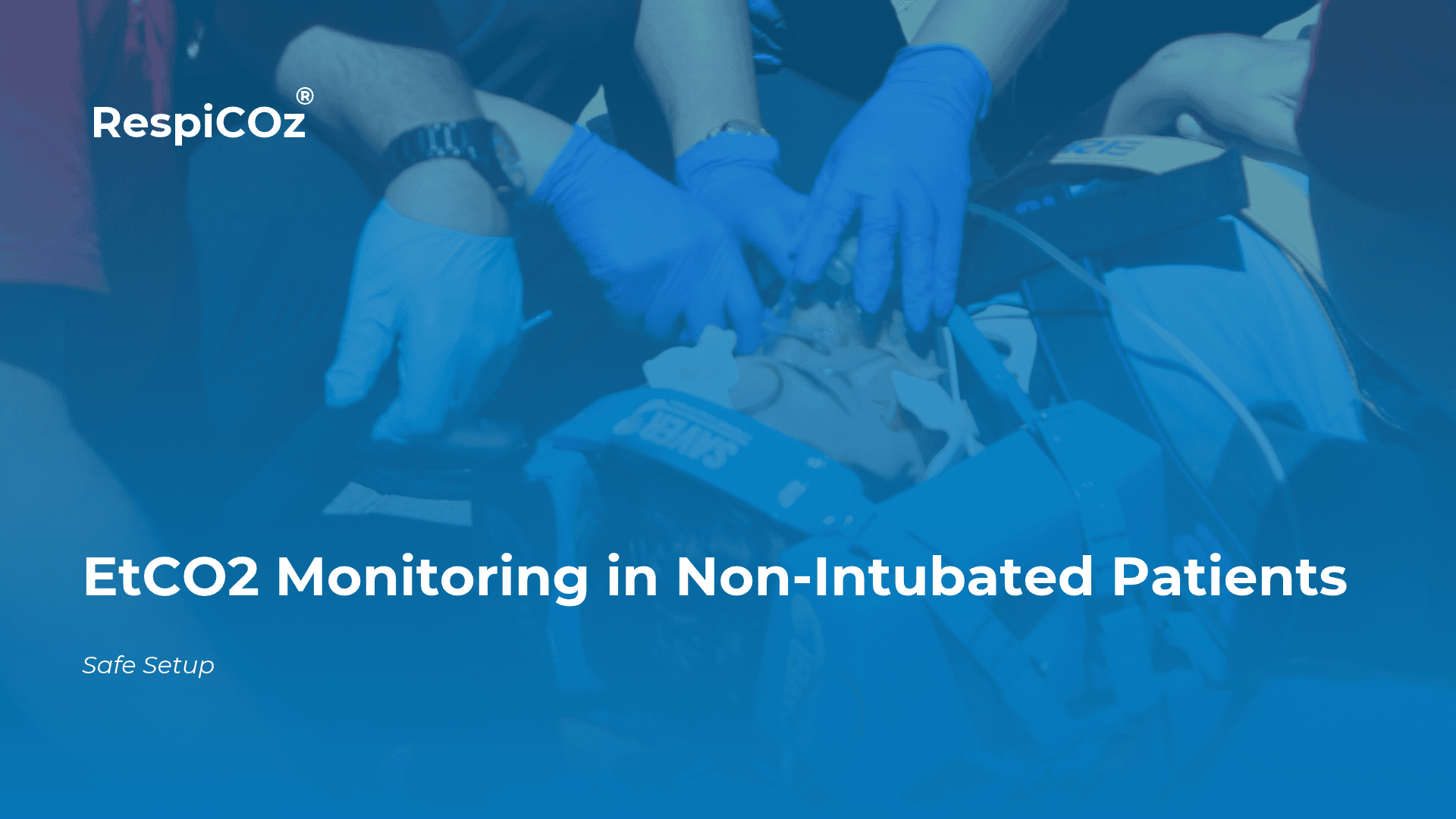
EtCO2 Monitoring in Non-Intubated Patients

EtCO2 Monitoring in Non-Intubated Patients: Safe Setup

EtCO2 monitoring in non-intubated patients uses a CO2-sampling nasal cannula and a sidestream monitor to watch breathing in patients who are sedated, recovering or receiving opioids. It catches hypoventilation and apnoea earlier than pulse oximetry, especially when the patient is
Read More »
Capnography

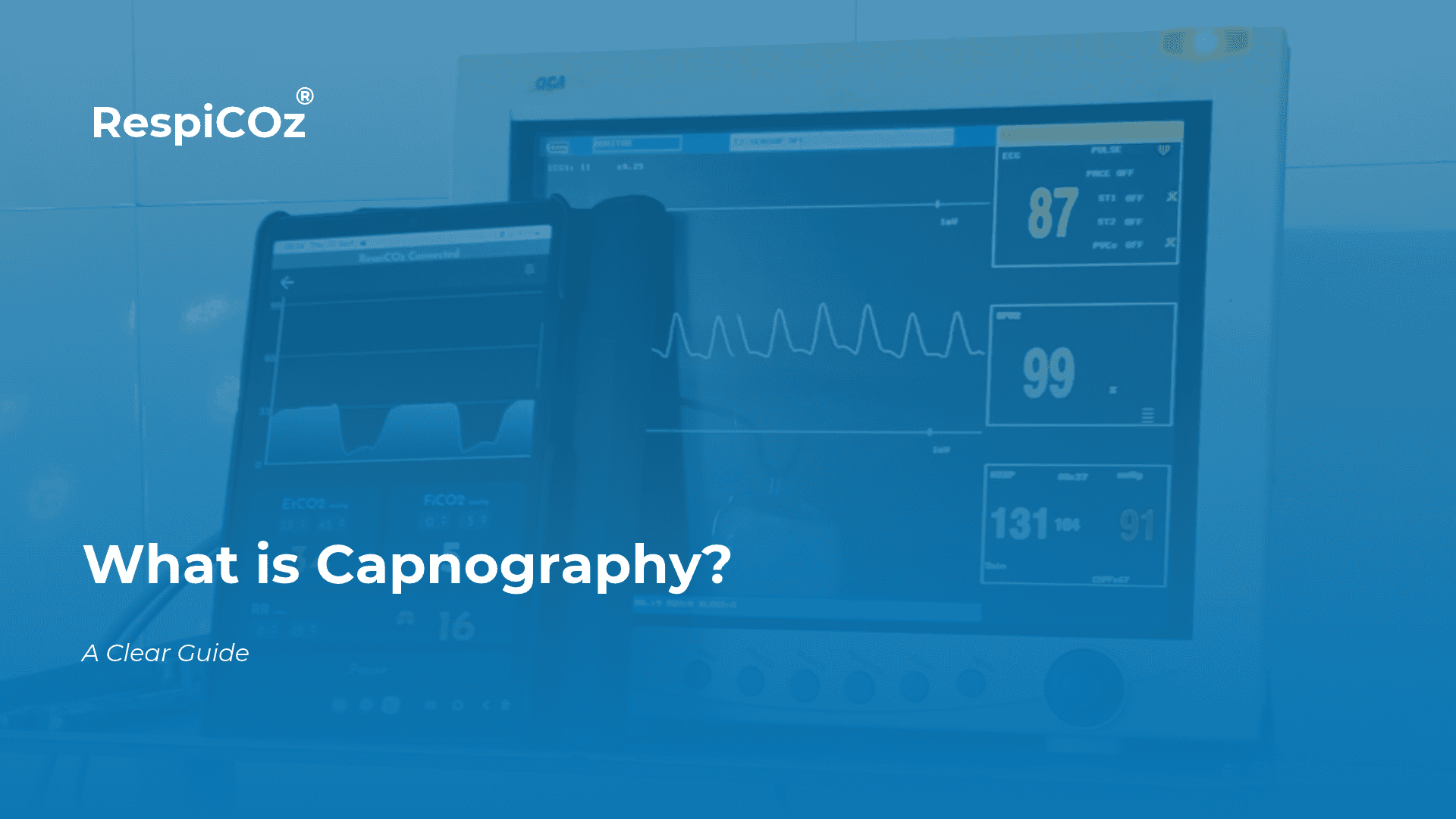
What Is Capnography? An Essential, Clear Guide

Capnography is the continuous measurement of carbon dioxide in a patient’s breath, shown as a number (EtCO2) and as a waveform called a capnogram. It tells you, breath by breath, whether a patient is ventilating, whether the airway is in

Read More »
Volumetric Capnography

Volumetric Capnography: CO2 Against Volume, Not Time

Volumetric capnography is a more advanced form of carbon dioxide monitoring, and it answers questions an ordinary capnogram cannot. Instead of plotting CO2 against time, it plots CO2 against the volume of gas breathed out. That single change unlocks measurements

Read More »
EtCO2 vs PaCO2

EtCO2 vs PaCO2: Why the Two Numbers Differ

EtCO2 vs PaCO2 is one of the most useful things to understand in capnography, because it explains both why end-tidal CO2 is so valuable and where it can mislead you. The two numbers measure the same gas in different places,

Read More »
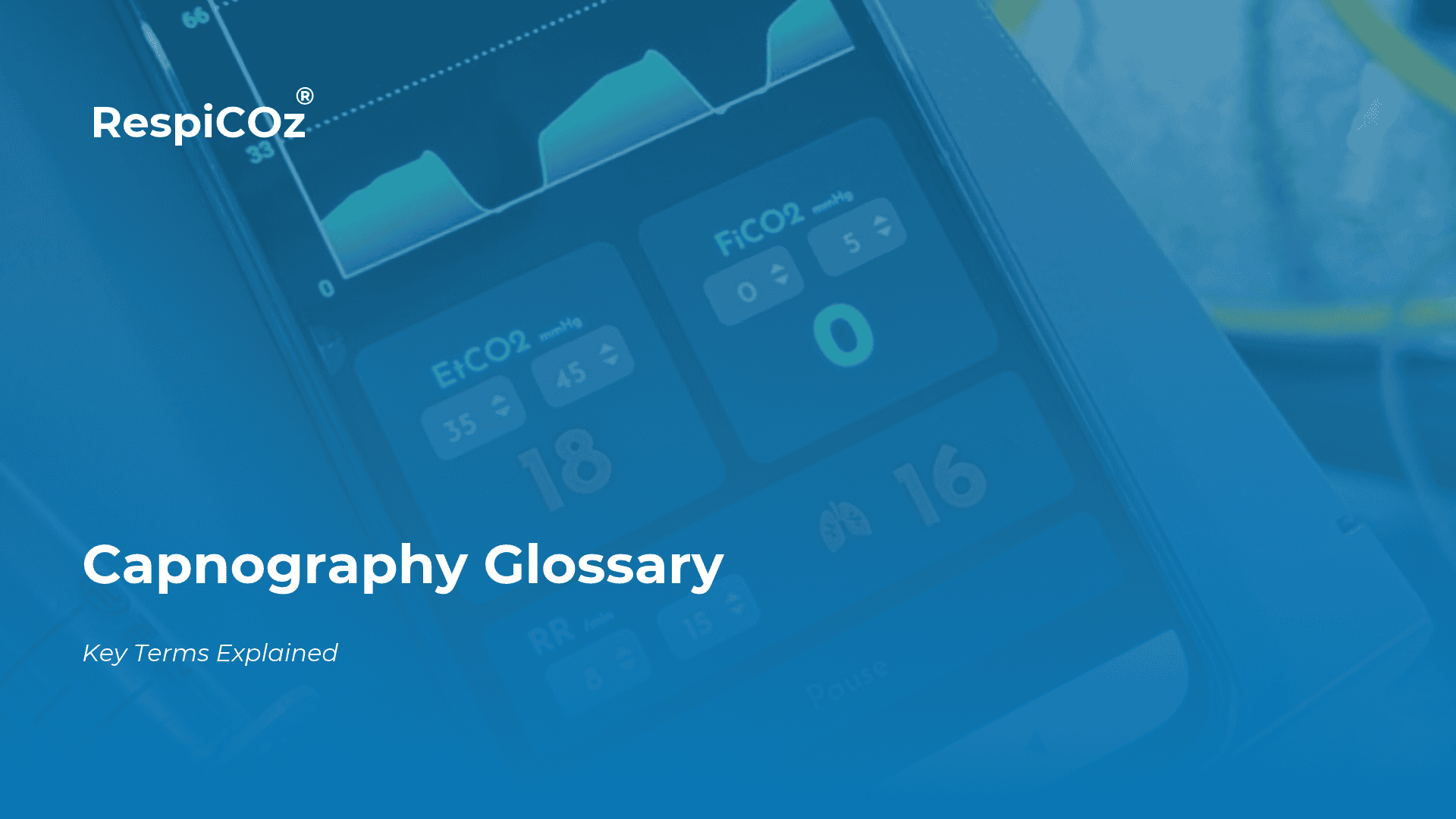
Capnography Glossary

Capnography Glossary: Key Terms Explained

This capnography glossary defines the terms you meet when you work with carbon dioxide monitoring, in plain clinical English. Capnography has a vocabulary of its own, and the words are easy to confuse: capnography, capnometry and capnogram sound alike but

Read More »

Wanna Experience
RespiCOz?

The future is waiting for you.
Are you ready for it?

Scroll to Top