
What Does Low EtCO2 Mean?
A low EtCO2 means carbon dioxide is not reaching the lungs, or is being blown off faster than the body makes it. The number sits below 35 mmHg, and the reason is one of four things. This matters more urgently


A low EtCO2 means carbon dioxide is not reaching the lungs, or is being blown off faster than the body makes it. The number sits below 35 mmHg, and the reason is one of four things. This matters more urgently

A high EtCO2 means carbon dioxide is building up faster than the patient is clearing it. The number sits above 45 mmHg, and something in the balance between production, clearance and rebreathing has shifted. That is the useful way to
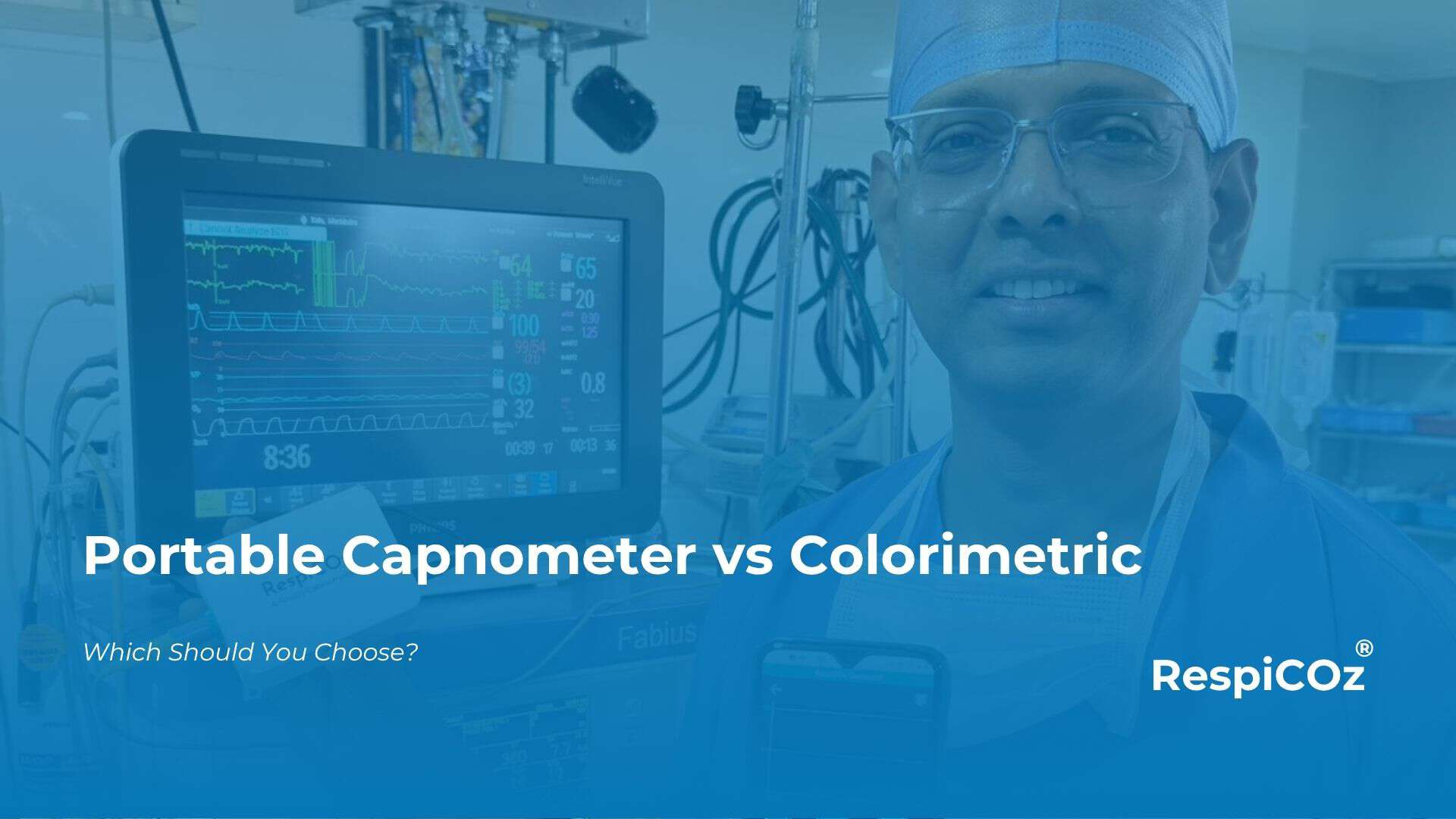
Colorimetric vs waveform capnography is a choice between a yes-or-no answer and a continuous picture. A colorimetric detector is a small disposable device that changes colour when it meets carbon dioxide. A portable capnometer measures the CO2 and shows it
Post-operative capnography protects the patient during one of the most dangerous transitions in their care: waking up from anaesthesia. In theatre, every breath is watched. In the recovery room and on the ward, monitoring gets lighter, just as the effects

What is EtCO2? In simple terms, it is the level of carbon dioxide at the end of a breath out, and it is one of the most useful numbers in patient monitoring. Every time a patient exhales, they breathe out
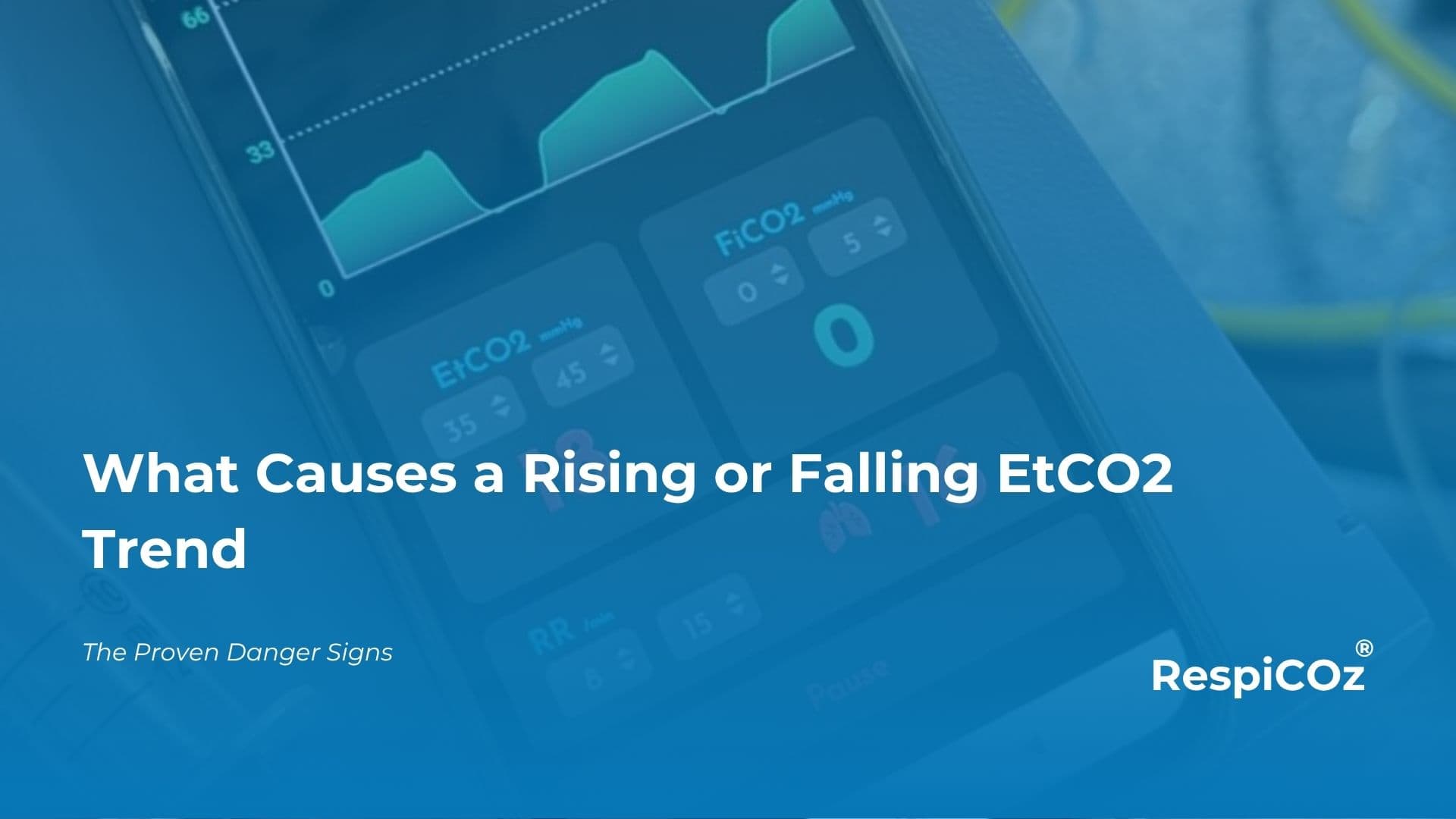
A rising or falling EtCO2 is one of the most useful early warnings in monitoring, and one of the easiest to misread. The number tells you something has changed. The pattern of the change tells you what. The single most

Paediatric capnography is one of the most valuable monitors in a child’s care, and one of the trickiest to get right. Children are not small adults. They breathe fast, with small breaths, and the margins for error are narrow. That
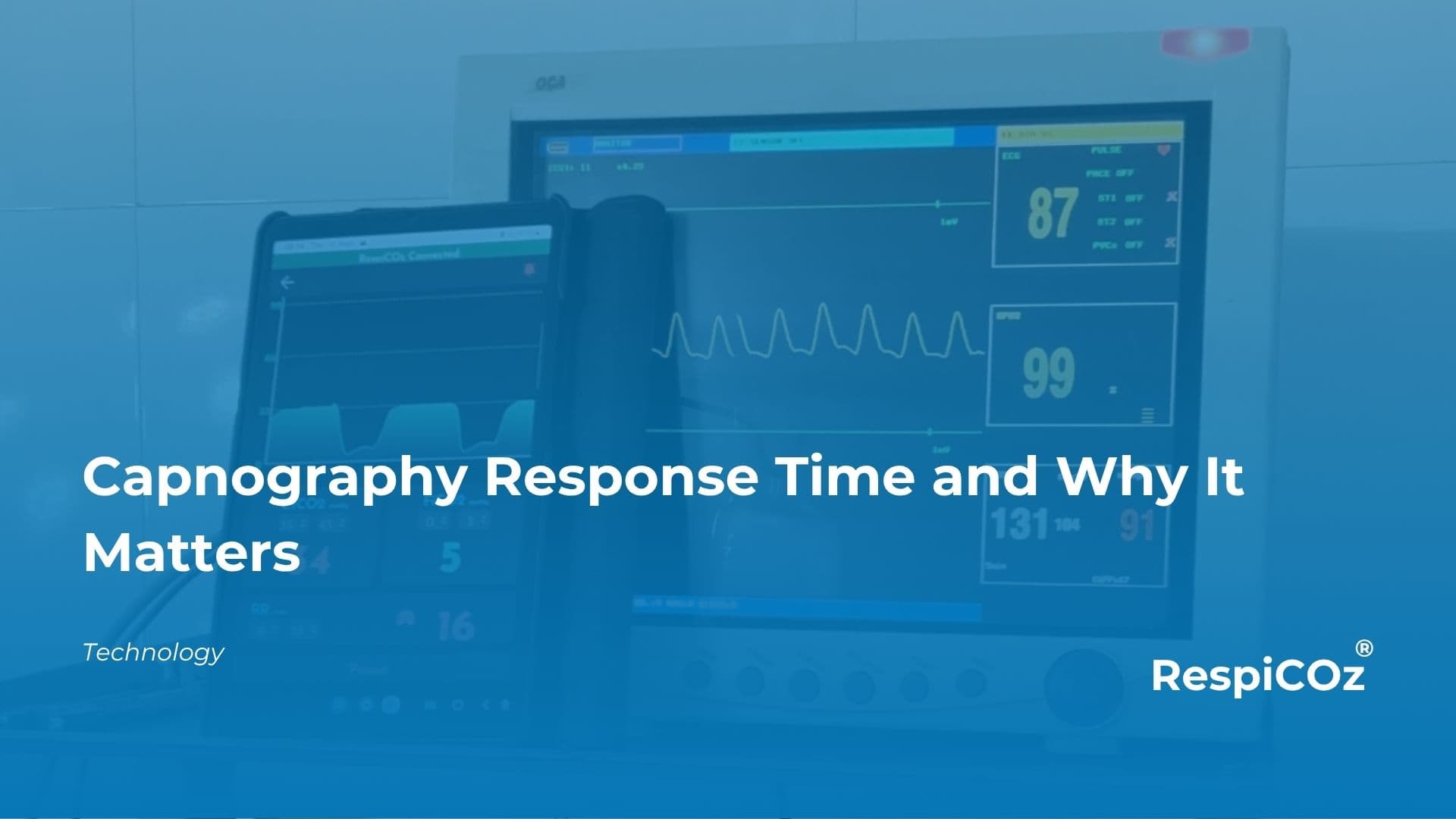
Capnography response time is how quickly the monitor reflects a real change in the patient’s breath. It sounds like a technical detail. In practice it decides whether the waveform you see is accurate, and how fast you learn that something
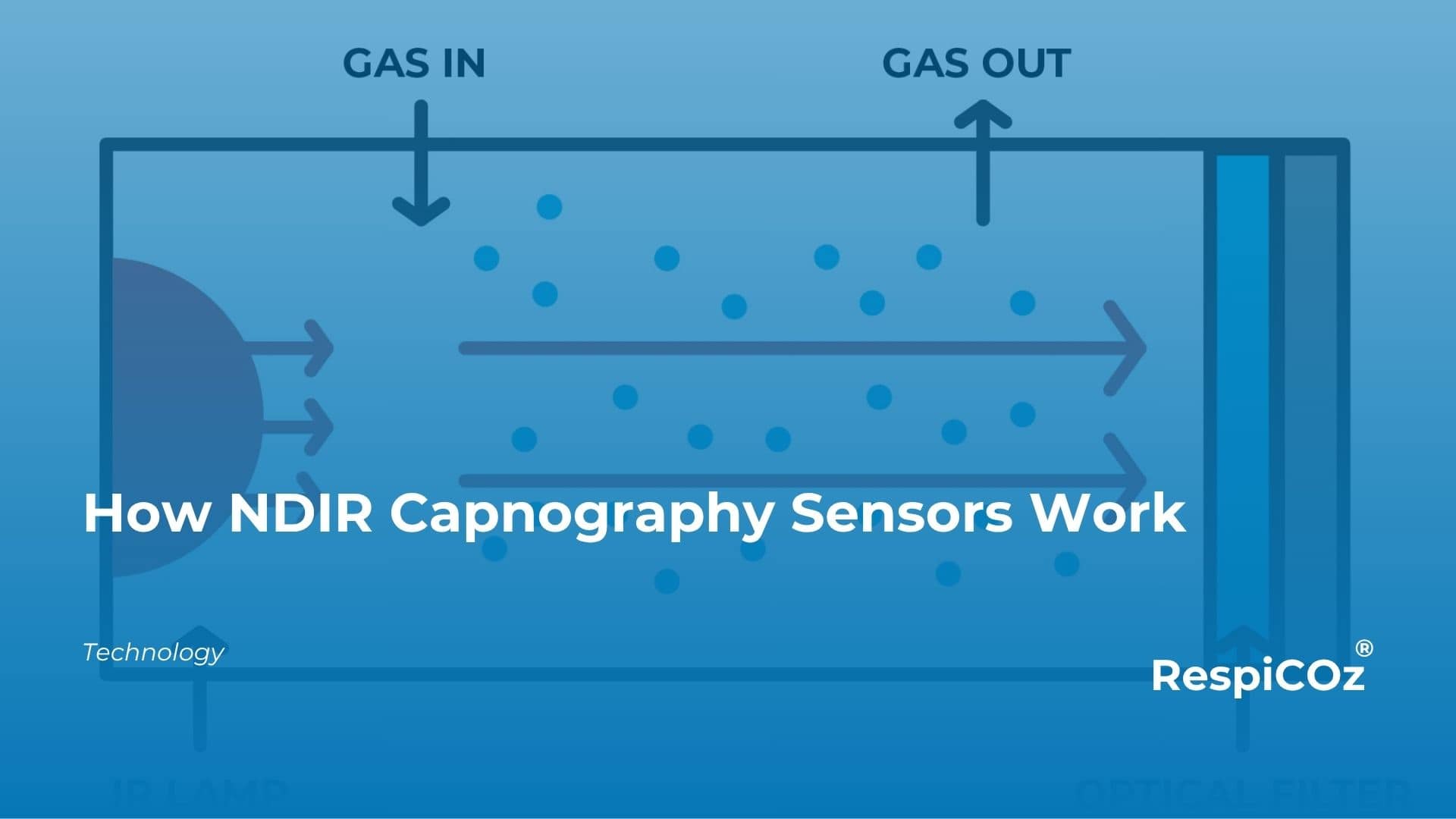
The NDIR capnography sensor is the technology behind almost every modern capnograph. It is what turns a breath into a number and a waveform, reliably, thousands of times a day. The principle is elegant and simple. Carbon dioxide absorbs infrared
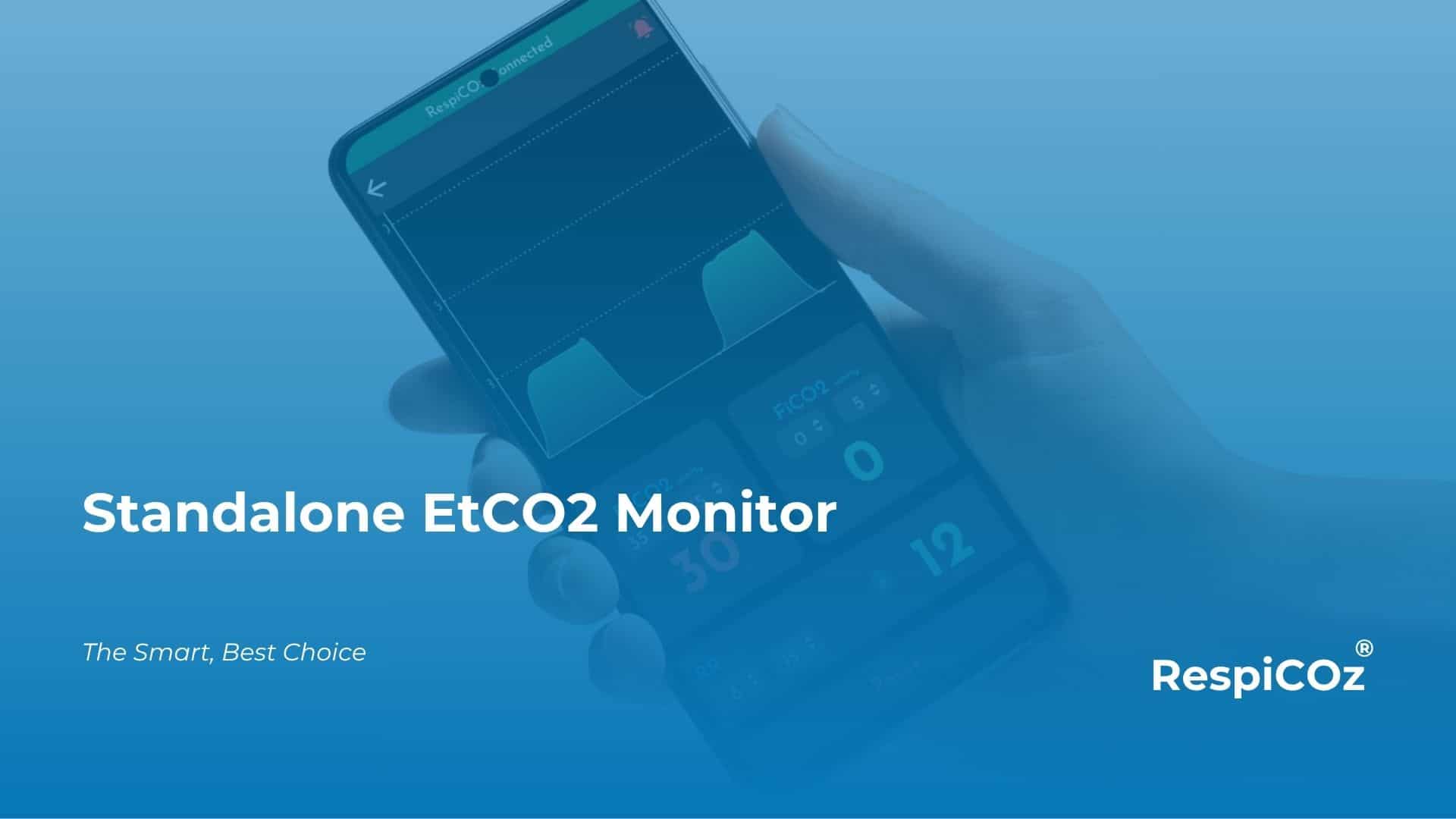
A standalone EtCO2 monitor is a device that does one job well: it measures carbon dioxide in the breath and shows it on its own dedicated display. It is not a module tucked inside a large multiparameter monitor, and it
