


Carbon dioxide levels in the body are measured using two different methods: end-tidal carbon dioxide (EtCO2) and partial pressure of carbon dioxide in arterial blood (PaCO2).
- Noninvasively, EtCO2 is measured via exhaled breath, typically capnography, whereas PaCO2 is measured via arterial blood gas (ABG) analysis, requiring a blood sample.
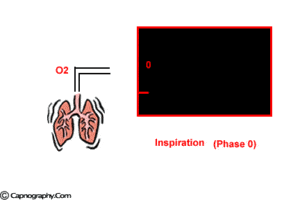
Here are some benefits of EtCO2 over PaCO2:
- Noninvasive Measurement
- Rapid Results
- Continuous Monitoring
- Detection of Ventilation Changes
- Less risk and discomfort
- Useful in CPR
- Trend Monitoring
- Availability in Various Settings
EtCO2 outweighs PaCO2 in many situations and helps critical care specialists, Intensivists and Anesthesiologists to quickly and effectively monitor/diagnose their patients.
—
Click here to learn more interesting things about capnometers.
Comment your views and feedback for improvements. You are an inspiration to us. 😇
[Click here] to learn more about “The World’s First Smart Capnometer”







7 thoughts on “Benefits of EtCO2 over PaCO2”
Pingback: Carbon Dioxide Detection In Medicine: 2026 Clinical Guide - Brainiac Healthcare - The World's First Smart Capnometer
Pingback: Capnography For Endotracheal Tube Confirmation: 2026 Clinical Guide - Brainiac Healthcare - The World's First Smart Capnometer
Pingback: Capnography For Endotracheal Tube Confirmation (2026 Guide)
Pingback: Capnography Vs Pulse Oximetry: Proven To Spot Danger Early
Pingback: Normal EtCO2 Range: What The Numbers Mean - Brainiac Healthcare - The World's First Smart Capnometer
Pingback: Capnography Myths: The Simple Truth Behind 12 Errors
Pingback: Normal EtCO2 Range: Essential Values And Danger Signs